
AHEAD Brings Reliable Solar Power to Rural Tanzanian Health Centers and Schools That the National Grid Cannot Reach
In communities where only 10 to 25% of households have electricity, AHEAD designs and installs solar energy systems that keep operating rooms running, vaccines refrigerated, computer labs powered, and clean water flowing. Every installation is built for permanence, not temporary relief.
AHEAD’S SOLAR ENERGY PROGRAM AT A GLANCE
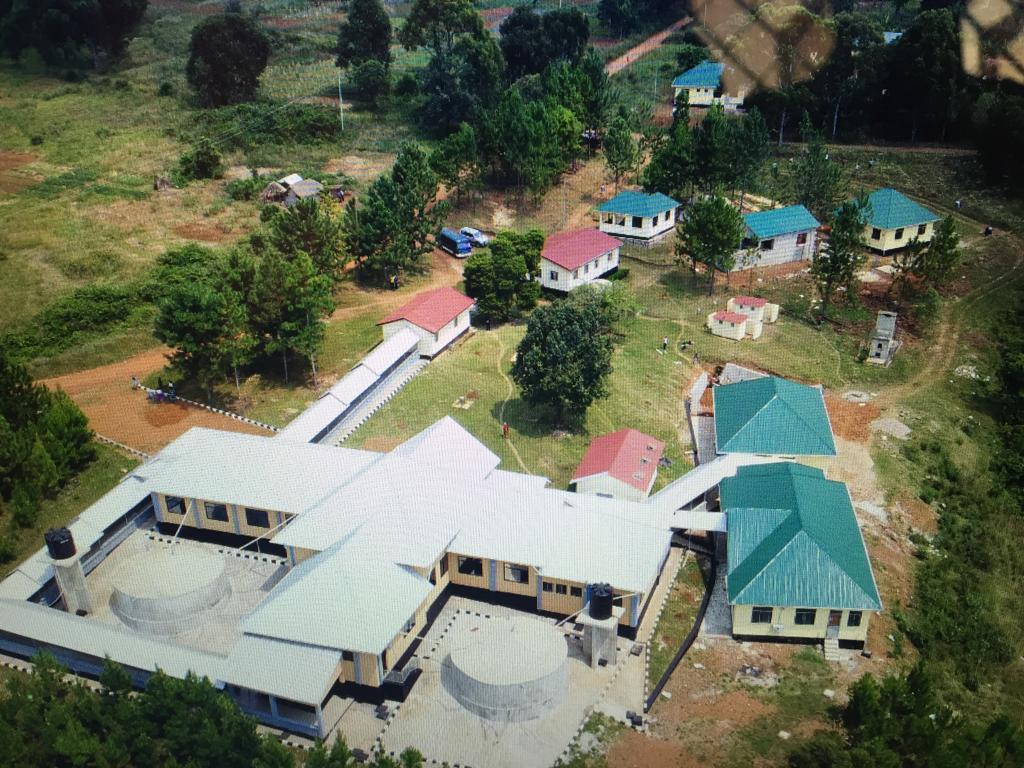
Without Reliable Electricity, Rural Health Centers and Schools Cannot Function After Dark
Only 38% of Tanzania’s population has access to electricity. In rural areas like the Bukoba District, where AHEAD operates, that figure drops to between 10 and 25%. Most communities depend on diesel generators that fail without warning, kerosene lamps that cause respiratory illness, and wood-burning stoves linked to chronic lung disease, stroke, and heart conditions that disproportionately affect women and children.
What Happens When a Health Center Loses Power
A surgical theater without electricity cannot complete a procedure. A vaccine refrigerator without power loses its entire stock. A laboratory without lighting cannot process results. At the Maruku Health Center, this was the reality before AHEAD intervened. During the 2023 Community Health Fair, the diesel generator failed repeatedly mid-procedure, putting patients and vaccines at risk. That single event accelerated the solar installation that was completed in 2024.
What Happens When a School Has No Electricity
Maruku Secondary School serves over 1,000 students and operates 61+ computers across three rooms. Without reliable power, the computer lab shuts down during outages. Teachers cannot access online resources. Students lose hours of learning time. AHEAD’s next solar installation directly targets this gap.
AHEAD Designs, Funds, and Installs Solar Energy Infrastructure for Health and Education Facilities
AHEAD’s solar program is not a distribution campaign. It is an infrastructure program. Each project is designed for the specific facility it serves, engineered for the local climate, and built to operate independently of the national power grid for decades.
Solar Power for Health Facilities
The program’s first completed installation is at the Maruku Health Center in Bukoba Rural District. The system includes solar panels, battery storage for overnight use, and a backup generator for extended periods of cloud cover. It powers the surgical theater, vaccine cold-chain refrigeration, laboratory diagnostics, inpatient ward lighting, and daily clinical operations. Since the 2024 installation, the center has had uninterrupted power for every procedure, including the facility’s first surgery, which was powered entirely by solar energy.
Solar Power for Schools
The next installation targets Maruku Secondary School. The system will power the computer lab, classrooms, and the future school farm planned as part of the Health Ambassadors Program. For a school that depends on electricity to run its entire digital learning program, solar removes the single biggest barrier to consistent education.
Solar-Powered Clean Water Systems
AHEAD’s clean water projects run on solar energy. The planned borehole drilled well system for the health center and school uses a solar-powered submersible pump to push groundwater to elevated storage tanks. This eliminates dependence on manual pumping or diesel-powered equipment. A properly maintained borehole system provides clean water for approximately 50 years.
AHEAD Has Been Investing in Solar Energy in Rural Africa Since 1991
This is not a new initiative. AHEAD installed its first solar system, powering lighting and vaccine refrigeration at the Kishapu Village Health Center in the Shinyanga Region, Tanzania, in 1991. That was decades before solar became a mainstream development priority. In 2000, AHEAD introduced Cookits in the Meatu District, enabling families to pasteurize drinking water using only sunlight. Rocket stoves followed in five villages across The Gambia, West Africa,, reducing indoor air pollution from cooking fires.
For this sustained environmental work, AHEAD’s founder, Dr. Irving Williams, received the Ashden Trust Award, presented by HRH Princess Anne, in recognition of the organization’s contributions to sustainable environmental development.
That 35-year track record is the foundation the current program stands on. Every new installation builds on proven models, tested infrastructure, and operational knowledge that only comes from decades of working in the same communities.
Dr. Irving C. Williams, MD, Founder of AHEAD Inc.
The Maruku Health Center Is Solar-Powered. These Projects Are Next in Line.
The 2024 installation at the health center proved that the model works. A rural facility can run surgical operations, store vaccines, and maintain diagnostics entirely on solar power. The next phase extends that same model to the school, the water system, and the farm.
Maruku Secondary School Solar Installation
Solar panels and battery storage for the school’s computer lab, classrooms, and future school farm. This installation will provide 1,000+ students with consistent access to digital learning tools and enable the Health Ambassadors Program to operate its agricultural component year-round.
Solar-Powered Borehole Water System
A drilled well with a solar-powered pump serving both the health center and the school. The borehole site has not yet been selected; hydrogeological surveys are needed first. Once built, the system provides clean water for surgical sterilization, patient care, school sanitation, food preparation, and community access through water kiosks that fund ongoing maintenance.
Rainwater Catchment Systems
Rooftop rainwater collection infrastructure for both the health center and the school, supplementing the borehole supply and reducing dependence on a single water source. AHEAD’s design includes a community kiosk model where nominal water fees cover long-term maintenance costs.
Every Dollar You Give Builds Infrastructure That Lasts for Decades
Solar panels do not expire after a single use. A borehole does not run dry after one year. These are permanent installations that serve entire communities. Here is exactly where your contribution goes.
Secure donation. 100% goes to students and program delivery.
QUESTIONS ABOUT AHEAD’S SOLAR ENERGY PROGRAM
FAQs
Why does AHEAD use solar energy instead of connecting to the national power grid?
Tanzania’s national grid reaches only 10 to 25% of the rural population, and service is unreliable even where it exists. Solar energy operates independently, does not require diesel fuel deliveries, and, with battery storage, provides consistent power around the clock. AHEAD has used this approach since 1991 because it is the only energy source that does not depend on infrastructure beyond the community’s control.
What does the Maruku Health Center solar installation power?
The system powers the surgical theater, vaccine cold-chain refrigeration, laboratory diagnostics, inpatient ward lighting, and general clinical operations. It replaced a diesel-only generator that had failed repeatedly. Since the 2024 installation, every procedure at the center has been completed without a power interruption.
What is the status of the school solar installation and the clean water project?
Both projects are in the planning and fundraising stage. The school solar installation will power the computer lab, classrooms, and future school farm. The borehole clean water system requires hydrogeological surveys to select the drilling site. Donations directly accelerate both timelines.
How does the solar program connect to AHEAD’s health and education work?
Solar energy is the infrastructure layer that makes everything else possible. It powers the operating room at the health center, will power the computer lab at the school, and will drive the pump that delivers clean water to both facilities. That water will supply the school farm planned under the Health Ambassadors Program. Each system depends on the others.
Can organizations or companies sponsor a specific solar or water project?
Yes. The school solar installation, the borehole water system, and the rainwater catchment infrastructure are each discrete, fundable projects with measurable community impact. They are well-suited for corporate ESG partnerships, foundation grants, and named gifts. Contact info@aheadinc.org to discuss.
EXPLORE RELATED PROGRAMS
See How Solar Energy Connects to Everything AHEAD Builds
Maruku Health Center
The facility where solar power keeps the surgical theater, vaccine storage, and diagnostics running 24/7.
Technology and Computer Lab
61+ computers, 1,000 students, and a school waiting for the reliable power that solar will provide.
Health Ambassadors Program
The student-led program that will manage the school farm, powered by solar and clean water.